
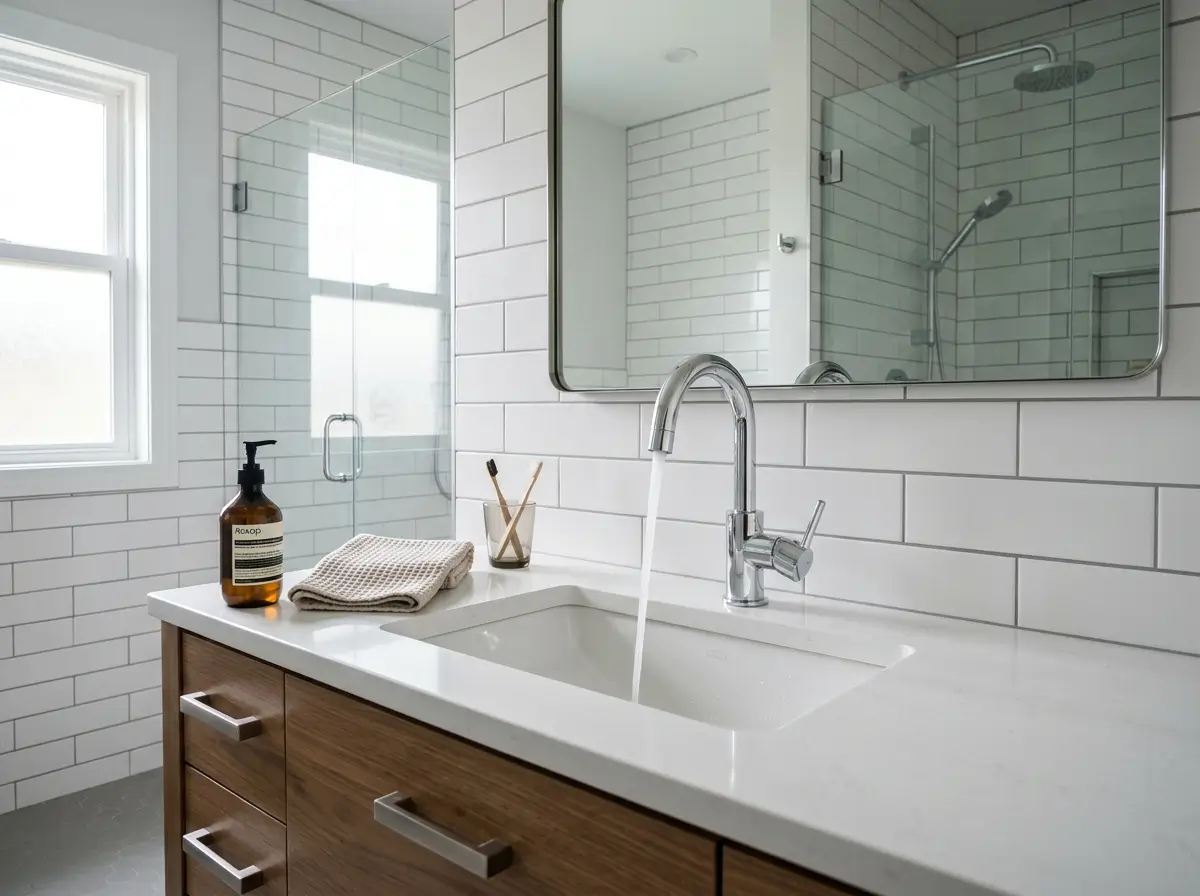
Water shortages are becoming a serious issue in Colorado, so much so that some areas have imposed water restrictions. Prolonged drought, a shrinking Colorado River, and rapid population growth along the Front Range have pushed utilities to tighten rules and raise rates.
This puts pressure on landlords, but it can also be spun as an opportunity. Making your rental property water-efficient means lower operating costs for you and reduced bills for renters. Here is a practical roadmap for making your rental property more water-wise without sacrificing comfort or hurting your return on investment.
Key Highlights:
- Start with a water audit. Compare 12 months of utility bills, check under sinks and around toilets for moisture, and test the meter for hidden leaks. Record your usage before upgrading so you can measure the difference.
- Upgrade indoor fixtures. WaterSense toilets, low-flow showerheads, and faucet aerators are inexpensive, quick to install, and make a real difference.
- Rethink the landscape. Outdoor use can account for more than half of a Front Range household's annual water use. Replace thirsty turf with native, drought-tolerant plants, group plants by water need, and mulch generously.
- Fix your irrigation. Repair broken heads and misaligned sprays, switch to drip irrigation for beds and shrubs, add a smart controller, and water in the morning.
- Maintain and measure. Inspect irrigation in spring, blow out lines before the first hard freeze, and review bills each quarter. Use your savings as a selling point for vacant units.
Start With a Water Audit
Before deciding on which upgrades or adjustments you need to invest in, find out where the water actually goes. Pull 12 months of utility bills and compare the usage between seasons. A big jump in the summer, for instance, typically means outdoor watering is your biggest drain. If winter usage is high, suspected causes include leaks and inefficient fixtures.
Don’t hesitate to walk the property. Check under sinks, around toilets, and near the water heater for moisture. These areas can show signs of leaks that may need to be addressed, both for efficiency and legal compliance.
It’s also good practice to monitor the water meter. Turn off all fixtures and see whether the dial still moves. It can also signal hidden leaks. Record water usage before you implement water-efficient practices and upgrades to determine how big of a difference it makes.
Upgrade Your Indoor Fixtures
Indoor retrofits are inexpensive and quick, and upgrades can make quite a difference.
Toilets
Older models can use three gallons or more per flush. Look into options with the WaterSense label, which is a certification mark from the U.S. Environmental Protection Agency (EPA) identifying water-saving products.
Showerheads
Similar to toilets, you also have WaterSense options for showerheads to upgrade to low-flow fixtures. They can use 2.0 gallons per minute without affecting water pressure and can even offer better designs.
Faucet Aerators
These normally cost only a few dollars and can be installed in just a few seconds. In exchange, you can cut flow to about 1.5 gallons per minute or lower in bathrooms and kitchens. Basically, it mixes air into the water stream to shape the flow, which reduces splashing.
Tip: Check with your local utility before buying. Denver Water, Colorado Springs Utilities, Aurora Water, and others have periodically offered rebates or free fixtures for efficiency upgrades. Programs change, so confirm current offerings first. |
Rethink the Landscape
Your exterior also uses up a lot of water and can account for more than half of a Front Range household's annual water use. Fixing your landscape can be a great way to save on utility costs. Here are some ways you can do that:
Replace or Reduce Turf
Consider converting your lawn areas to native and drought-tolerant plants like blue grama grass, yarrow, penstemon, blanket flower, and Russian sage. Xeriscaping does not mean a yard full of gravel. Done well, it means layered plantings, mulch, and a few focal points that bloom from spring through fall.
Group Plants by Water Need
Put thirsty plants together and keep them near the house, since it allows you to water them efficiently. Drought-tolerant plants, on the other hand, can be placed farther out. Don’t forget to mulch generously, as this can reduce evaporation, suppress weeds, and keep soil cooler during hot summers.
Fix Your Irrigation
If you’re using a sprinkler system for your rental property, you might be wasting water due to poor design. Common problems include broken heads, misaligned spray patterns that soak sidewalks, and timers set to run daily regardless of weather.
You can instead switch to drip irrigation for shrubs, trees, and flower beds. It can deliver water at the roots and loses far less to evaporation than spray heads. You can even install a smart controller to adjust schedules based on local weather conditions. It's best to water in the morning, when the air is cooler and the winds are calmer.
Maintain and Measure
Efficiency is not a one-time project. You’ll need to schedule seasonal inspections: inspect irrigation in spring, blow out lines before the first hard freeze, and review bills each quarter. This allows you to pinpoint increases in usage so you can investigate right away.
Track your savings. Many landlords find that fixture upgrades pay for themselves within a couple of years, especially where water and sewer rates are climbing. You can use those numbers as part of your marketing campaign when you have vacant units.
FAQs
1. Why should landlords care about water efficiency in Colorado?
- Prolonged drought, a shrinking Colorado River, and rapid growth along the Front Range have led utilities to tighten rules and raise rates. An efficient property lowers operating costs and means smaller bills for renters.
2. What is the first step I should take?
- Do a water audit. Pull 12 months of bills and compare seasonal usage. A summer spike usually points to outdoor watering, while high winter usage suggests leaks or inefficient fixtures.
3. What does the WaterSense label mean?
- WaterSense is a certification mark from the U.S. Environmental Protection Agency (EPA) that identifies water-saving products. Look for it on toilets and showerheads.
Water Efficiency is Only One Solution
Being a water-efficient rental property can be a great selling point, and you can meaningfully reduce your utility bills in the process. However, that’s not the only thing you can improve. Efficient property management is still the best way to maximize your profits, and that’s what Integrity Realty Management can help you achieve.
Our company has a proven track record, and property owners continue to trust our expertise. Between marketing and evictions, you can expect us to be transparent and effective.
Contact us, and feel free to ask us any questions!
More Resources:
Want a Profitable Rental? These Two Numbers Never Lie
Why ROI is the Most Important Metric in Property Management Today